WHY THE SHOVEL IS A POWERFUL CROP SCOUTING TOOL
Key points:
- Digging roots early can help farmers identify and prepare for issues before symptoms appear aboveground.
- in-season fixes for root-related issues are limited, early diagnosis can help farmers make smart near- and long-term decisions.
- Thorough scouting records support better long-term management.
Some of the biggest challenges farmers face each year begin belowground, causing damage long before symptoms are visible from above, says AgriGold Field Agronomist Grant Odle.
“Digging up roots early in the season can give farmers a more complete picture of how that corn or soybean plant is doing,” Odle says. “It gives them the ability to be proactive and/or make long-term plans to manage some of those issues.”
Check for compaction
The potential is certainly there for some challenges in Odle’s east-central Illinois territory, where many farmers battled cool, wet conditions at planting.
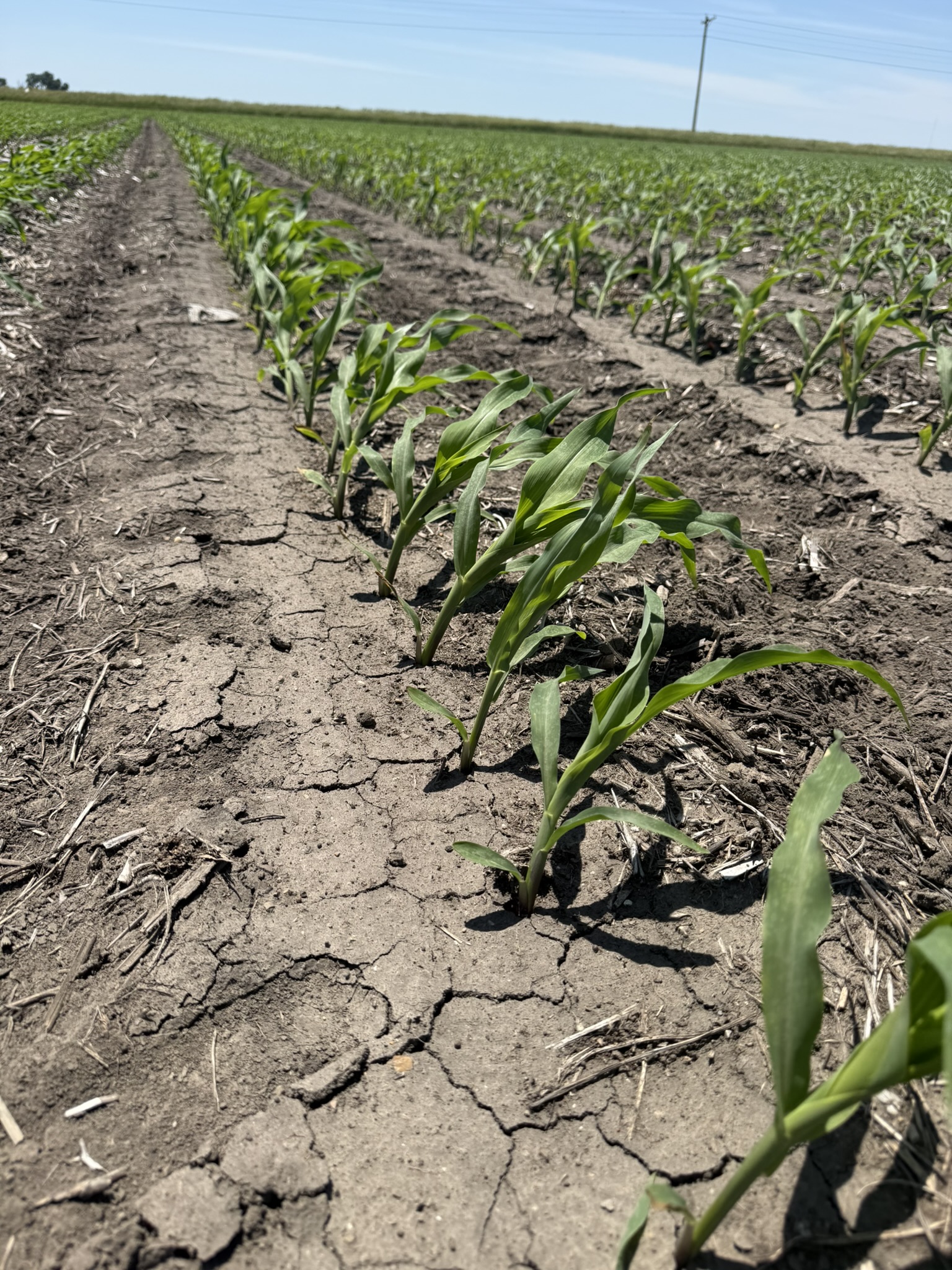
“When we plant into wet soils, sidewall compaction can occur as the planter disc openers smear the soil and create a compacted zone around the seed trench,” Odle explains. “Excessive down pressure when planting in wet soils can magnify the issue.
In those situations, roots often grow straight down, struggling to penetrate the compacted sidewalls around the seed trench. This can result in a root mass that resembles the head of a hatchet — tomahawk roots — rather than a healthy cone-shaped root system.
“These root branching restrictions appear early in the season, but they often become more severe during the mid- to late-vegetative growth stages, reducing nutrient uptake and plant standability,” Odle says.
Unfortunately, there’s not a lot farmers can do immediately to remedy compaction. But identifying the issue now can help farmers be strategic with harvest and crop marketing. It can also help them establish a longer-term plan for identifying compacted areas of fields to break up with tillage or cover crops.
Keep in mind, compaction and hardpan aren’t limited to tractor passes. “Some of our tillage tools create compaction over time,” Odle says. “Don’t limit scouting to areas you think hardpan might be.”
Is your corn getting enough phosphorus?
If farmers suspect phosphorus deficiency in their corn fields, digging roots can help confirm the problem. A phosphorus deficiency can reduce root mass.
“Phosphorus is a critical nutrient for early-season root development and can become a limiting factor in a corn plant’s ability to access other nutrients present in the soil,” Odle says. “But in a difficult ag economy, farmers need to be especially selective when addressing any phosphorus deficiencies. Digging plants and evaluating roots can provide additional clarity when a farmer suspects an issue is developing.”
Signs of phosphorus deficiency don’t necessarily indicate a shortage of the nutrient in the soil. Other soil interactions, such as low soil pH, can tie up phosphorus and make it unavailable for plant uptake.
Check roots for pests
Another thing Odle checks in late June/early July is insect feeding on the roots, specifically corn rootworm and soybean cyst nematodes (SCN). Both are costly pests for their respective industries.
As farmers dig up and wash corn roots, corn rootworm larvae may wash up in the bucket. “Those give us critical insights to monitoring yield potential and the need for a long-term strategy to manage that pest.”
If farmers see significant corn rootworm larval feeding damage, they may want to consider spraying an insecticide later in the season to target adult beetles. That “beetle bomb” can decrease egg laying and lower pressure for future seasons.
For soybeans, Odle encourages farmers to check roots for tiny white cysts. Depending on the level of pressure, the colonization of SCN on the roots can slash yields with little to no aboveground symptoms.
One way to manage SCN and prevent populations from snowballing is by rotating sources of genetic resistance, including Peking genetic resistance.
Watch for soil-borne diseases
Another concern for Odle after the wet start is the possibility of crown rot showing up in waterlogged areas. This fungal disease can significantly impact yield and standability.
Planting in optimal conditions can help limit farmers’ risk, as can choosing the right hybrid for that acre. “Last year, A642-05 had excellent performance in wet feet environments,” Odle shares.
For soybeans, one of the most critical pathogens to manage is Sudden Death Syndrome (SDS), with Odle noting cool and wet spring conditions were ideal for the pathogen in his territory. This fungal disease colonizes the roots, resulting in a metallic whitish-blue mold, but the effects typically aren’t visible until closer to harvest.
In-season management options for SDS are limited, but documenting affected areas is important to long-term management planning. Such plans typically include tactics like rotating crops, planting seed with good genetic tolerance, choosing a targeted seed treatment, planting in ideal conditions, managing compaction and improving field drainage.
Recordkeeping is smart planning
Whatever issues you encounter in the fields, it’s important to keep detailed records. “If you don’t remember specifics of what happened or are unable to pinpoint which areas of fields problems like compaction occurred, it makes it very difficult to address those in seasons to come,” Odle says.
Detailed notes and field observations can also help guide more productive conversations with trusted advisors like your local AgriGold field agronomist. Reach out with any questions.


